
Heavy metal has always been a genre obsessed with the future while simultaneously honoring its past. Unlike many musical movements that fade as generations change, metal continues evolving because its foundations remain strong. The artists who built the genre decades ago still command enormous audiences, while newer bands continue expanding the boundaries of what heavy music can become. As the summer of 2026 unfolds, that reality is becoming impossible to ignore. Across the global metal landscape, legendary bands are launching major tours, recording long-awaited albums, overcoming unexpected challenges, and creating new chapters in careers that have already helped define heavy music history.
What makes this current period particularly fascinating is the sheer number of major developments happening simultaneously. Thrash legends are celebrating landmark anniversaries. Heavy metal institutions are documenting milestone tours. Long-anticipated albums are nearing completion. Revered musicians are returning from injuries and illnesses. Historic bands are preparing final chapters while others are unexpectedly reawakening. The result is a metal scene that feels remarkably alive, proving once again that heavy music remains one of the most resilient and passionate communities in all of music.
At the center of much of that conversation stands Slayer.
For years, many fans believed they had witnessed the final chapter of one of thrash metal’s most important bands. Yet 2026 continues to prove that Slayer’s impact remains far too significant to remain dormant for long. The band has now extended its highly anticipated return by announcing a special Latin American run celebrating the fortieth anniversary of Reign in Blood, the landmark album that permanently altered the trajectory of extreme music.
Few records carry the cultural weight of Reign in Blood. Released during a period when thrash metal was rapidly evolving, the album condensed intensity, speed, aggression, and technical precision into a blueprint that would influence countless generations of musicians. Death metal, black metal, grindcore, metalcore, and virtually every extreme subgenre that followed owes some degree of debt to the uncompromising vision Slayer delivered on that release.
The decision to celebrate the album through a focused anniversary tour feels entirely appropriate. Latin American audiences have long maintained some of the strongest and most passionate relationships with heavy metal anywhere in the world. For decades, Slayer performances throughout the region have generated legendary crowd reactions, making the anniversary run one of the most anticipated live events of the year. The addition of Power Trip and Kreator further elevates the package, creating a lineup that spans multiple generations of thrash metal excellence while showcasing the genre’s continuing vitality.
While Slayer celebrates one of thrash metal’s most important records, Iron Maiden is simultaneously celebrating one of the most remarkable careers in the history of heavy music.
The band’s Run For Your Lives anniversary tour continues drawing massive crowds around the world as Maiden commemorates five decades of metal dominance. Rather than approaching the anniversary as a simple retrospective, the group has chosen to focus heavily on the material that built its legendary reputation, constructing setlists centered around its earliest and most influential albums.
The tour has become more than a celebration. It has evolved into a historical document of sorts, highlighting the songs, performances, and moments that helped transform Iron Maiden into one of the most successful heavy metal bands ever assembled.
In an increasingly digital concert environment, Maiden has also made headlines for implementing strict phone-free standing areas during select performances as the band captures footage for an upcoming live film project. The decision reflects a growing conversation throughout the live music world regarding audience engagement and the balance between experiencing a concert and recording it. For a band whose legacy was built long before smartphones existed, encouraging fans to become fully immersed in the performance rather than viewing it through screens feels entirely consistent with Maiden’s philosophy.
Elsewhere within the metal community, the realities of touring continue creating unexpected challenges.

Anthrax recently found itself adapting to difficult circumstances after drummer Charlie Benante suffered a significant injury to his right hand. The setback forced one of thrash metal’s most respected musicians to temporarily step away from a series of important European performances, including major festival appearances and support dates alongside Iron Maiden.
For a drummer whose style is deeply woven into Anthrax’s identity, the injury represents a significant obstacle. Yet the band’s response demonstrates the professionalism that has allowed them to remain a vital force for decades. Acclaimed drummer Darby Todd has stepped in to keep the tour moving while Benante focuses on recovery, ensuring that fans across Europe will still experience the band’s trademark intensity.
The good news for Anthrax supporters is that Benante’s absence appears temporary, with expectations pointing toward a return later this summer. More importantly, the drummer has also confirmed that the band’s long-awaited new studio album is largely complete. Early comments suggest a record rooted firmly in the aggressive spirit that helped establish Anthrax as one of the foundational members of thrash metal’s Big Four.
The prospect of a new Anthrax album arrives during a period where several major metal acts are actively preparing significant releases.
French metal innovators Gojira continue working toward the follow-up to their acclaimed 2021 release Fortitude. Over the last decade, Gojira has completed one of the most impressive ascents in modern metal, evolving from cult favorites into internationally recognized headliners without compromising their artistic identity. Their next album is already generating enormous anticipation as fans await the next chapter from one of heavy music’s most respected creative forces.
Similarly, Dez Fafara has offered new insight into DevilDriver’s upcoming release, describing the project as an unrelenting assault designed to deliver maximum impact from beginning to end. For a band that has consistently blended groove, aggression, and modern heaviness, expectations remain high among longtime followers.
Down is also back at work, with the Louisiana-based supergroup spending significant time in the studio crafting its first full-length material in years. The combination of Phil Anselmo, Kirk Windstein, Pepper Keenan, and Jimmy Bower remains one of the most respected creative partnerships in heavy music. Their return to recording has fueled excitement among fans eager for another dose of the thick, swampy heaviness that helped define the band’s identity.
Perhaps one of the most intriguing developments involves Jeff Loomis and the possible rebirth of Nevermore.
For years, fans have speculated about whether the influential band could return following the passing of frontman Warrel Dane. Loomis has now confirmed that new material is actively taking shape. While details remain closely guarded, the guitarist has emphasized that the project intends to honor Nevermore’s legacy while delivering the complexity, darkness, and aggression that originally earned the band such devoted support.
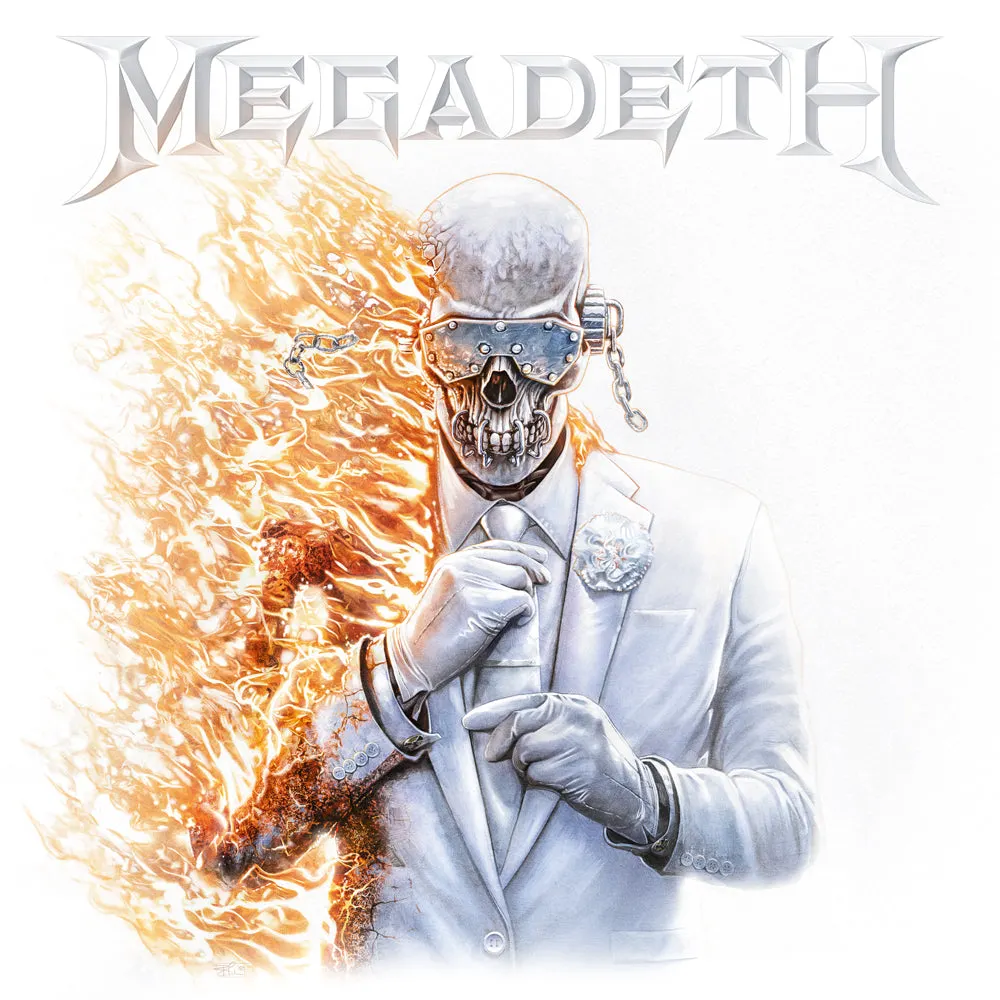
At the same time, Megadeth continues preparing what may become one of the most significant farewell campaigns in heavy metal history.
Rather than treating retirement as a single event, Dave Mustaine appears committed to creating a multi-year farewell experience that allows fans around the world an opportunity to celebrate the band’s extraordinary career. Reports indicate that the final Megadeth studio album is being carefully developed to align with the latter stages of the farewell tour, creating a concluding chapter that connects the band’s final recordings with its final performances.
For a group that helped define thrash metal itself, the eventual conclusion of Megadeth’s recording career will undoubtedly represent the end of an era.
Not every headline this summer has been centered on albums and tours.
Metallica once again demonstrated why the band remains one of the most beloved live acts on the planet when guitarist Kirk Hammett suffered an accidental fall during a performance in Dublin. In typical Metallica fashion, what could have become a frightening incident quickly transformed into a humorous moment. Hammett recovered immediately, continued performing, and later jokingly referred to the mishap as a “Slip & Destroy” moment.
The lighthearted response perfectly reflects the chemistry that has helped Metallica remain at the top of the heavy music world for more than four decades. Even unexpected moments become part of the band’s ongoing mythology.
Elsewhere, the metal community rallied around more serious developments involving Coal Chamber drummer Mikey “Bug” Cox. Following a difficult battle with Stage 3 cancer and months of treatment, Cox is now preparing for what doctors hope will be his final major surgery. The procedure has forced Coal Chamber to withdraw from several commitments, but the broader news remains overwhelmingly positive. After an incredibly difficult journey, Cox is currently cancer-free and focused on recovery.
Stories like his serve as reminders that the heavy music community extends far beyond albums, tours, and festival schedules. It remains a culture built around resilience, support, and shared experiences.
That sense of gratitude was also evident following a frightening incident involving Max and Iggor Cavalera. The legendary brothers narrowly avoided disaster after their tour bus became involved in a serious traffic accident while traveling through Europe. Thanks to the quick reactions of their driver, a potentially catastrophic situation was avoided. Although shaken, the musicians emerged physically unharmed, offering public thanks to the individual whose actions likely prevented a tragedy.
The incident underscores the realities of life on the road, where musicians often travel thousands of miles each year in pursuit of their craft.
Meanwhile, heavy metal’s enduring cultural influence continues extending beyond the stage.
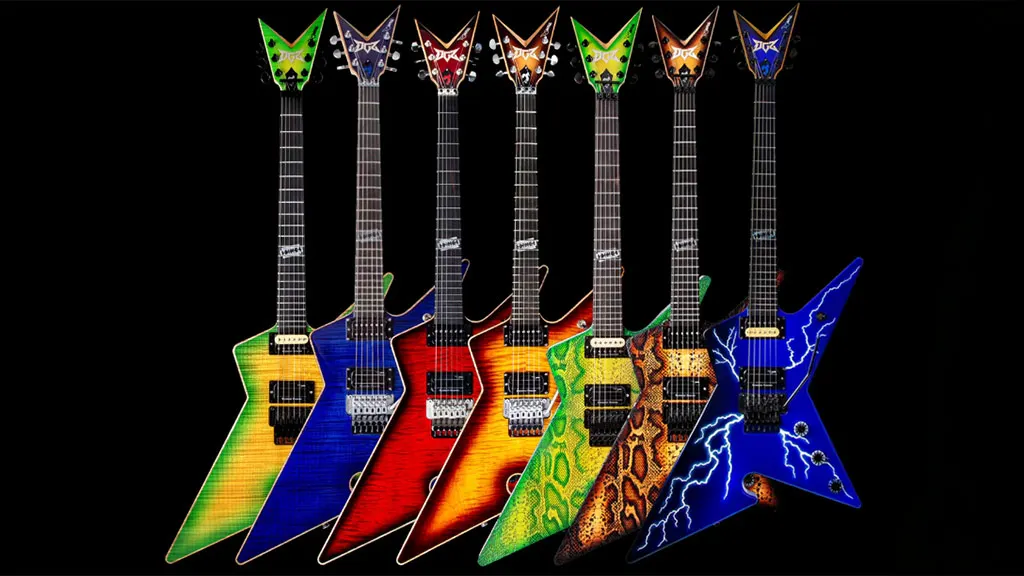
The estate of Dimebag Darrell has officially launched Dime Guitarz, a dedicated brand focused on preserving and celebrating the late guitarist’s instrument legacy. For generations of players inspired by Pantera’s revolutionary guitarist, the project offers a new way to connect with one of the most influential figures in modern metal history.

Similarly, Ozzy Osbourne’s iconic final performance throne has now become a museum centerpiece in Birmingham, England. The installation serves as a fitting tribute to an artist whose impact extends far beyond music. Few individuals have done more to elevate heavy metal from outsider culture to global phenomenon than Ozzy Osbourne, and preserving pieces of that history ensures future generations understand the significance of his contributions.
Taken together, these stories reveal something important about the state of heavy music in 2026.
This is not a genre living solely on nostalgia. It is a genre actively creating new memories while celebrating old ones. Slayer is revisiting one of thrash metal’s defining albums. Iron Maiden is documenting a historic anniversary. Anthrax is preparing new music. Gojira is building toward its next evolution. Megadeth is carefully planning its final chapter. Nevermore may be returning. Down is back in the studio. Danzig is assembling ambitious tours. Young fans continue discovering classic records while veteran audiences continue supporting the artists who shaped their lives.
Heavy metal remains in motion.
And as this remarkable summer continues to unfold, it becomes increasingly clear that the genre’s greatest strength has always been its ability to honor its history without becoming trapped by it. The legends continue writing new chapters. The next generation continues emerging. The music continues evolving.
Forty years after albums like Reign in Blood first changed the world, the spirit that created them remains every bit as powerful today.